
ICDI Case Management
Establishing a foothold and providing support towards self-sufficiency
History &
Background
Newcomers arrive fleeing persecution, abuse, war, and poverty in their countries. They often arrive in the US disoriented and without a sense of belonging looking for new opportunities in hope for a better life.
Newcomers face many barriers such as language, culture shock, and family separation. They often struggle with mental health conditions such as anxiety, depression, and loneliness.
This is where ICDI steps in to provide trauma-informed case management and accompaniment throughout their integration.
ICDI’s case management
Program
ICDI’s
case management
Program
ICDI’s case management program is a trauma-informed care model that recognizes the dignity of individuals and empowers them to live fulfilling lives as they integrate into their new homes.
We coordinate with diverse communities and community-based mentors to offer case management to asylum seekers and immigrants who would otherwise have been unable to access the variety of resources and services that are available to them.
Our Case management
Services Include
Intake
- Tailoring of unique integration plan
- Establishment of a welcoming environment
- Provision of immediate basic needs
- Accompaniment and advocacy at activities and appointments.
$250 / month
Make a
Donation
Follow up
- Connection with essential services such as:
- Public benefits (IDHS Applications, All Kids, SNAP, Medicaid, WIC)
- Translation & interpretation
- Transportation
- Emergency Financial Asistance
- Training and education opportunities
- Orientation towards attaining self-sufficiency and independence.
$250 / month
Make a
Donation
Complete
Sponsorship
- Tailoring of unique integration plan
- Establishment of a welcoming environment
- Provision of immediate basic needs
- Accompaniment and advocacy at activities and appointments.
- Connection with essential services such as:
- Public benefits (IDHS Applications, All Kids, SNAP, Medicaid, WIC)
- Translation & interpretation
- Transportation
- Emergency Financial Asistance
- Training and education opportunities
- Orientation towards attaining self-sufficiency and independence.
$500 / month
Make a
Donation
If you have any case management related questions, please contact Rosa Hernandez, rhernandez@icdichicago.org
SUCCESS STORIES
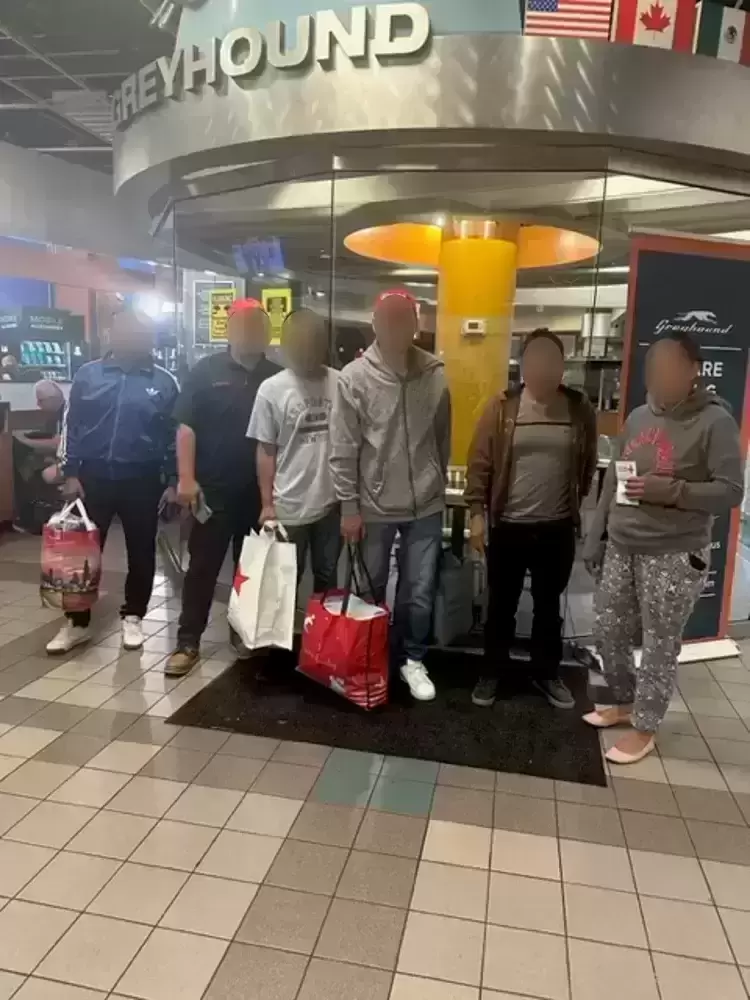
We welcomed about 20 people from Venezuela, Nicaragua, Colombia, Mauritania and Angola. There were people traveling alone, a family of three, a family of five and a group of four men. They needed water and snacks and baby food.
Several just needed help finding the gate where their bus would depart. The four men needed to purchase new tickets because they JUST missed their connecting bus.
The family of three was waiting for someone to pick them up sometime after 10 am.
The Angolan family and the man from Mauritania needed a place to stay so we sent them in an Uber to the Police Station. Sarah told us we could give them sleeping bags, but in the last minute rush, we forgot to get them.
Impressive to us was the helpfulness of these strangers to each other. After we helped someone, that person would refer someone else who needed assistance.
And their expressions of gratitude for the little we do is close to overwhelming. Something that surprised both Gerry and me was that the parents would not let their children accept coloring books or other kid toys.
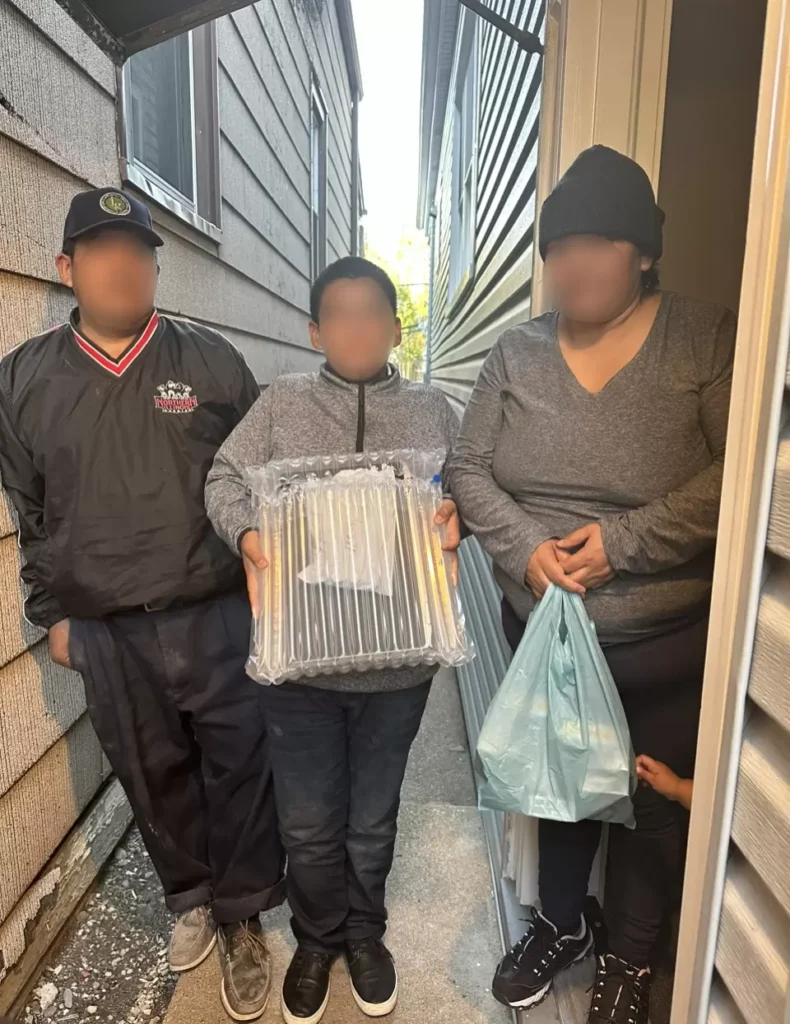
On February 3, 2023, the family fled Ecuador due to threats from the local mafia and gangs. They refused to participate in drug distribution, which led the gang leaders to threaten their lives. Forced to give up their inherited land, the family faced ongoing harassment even after leaving their home. At 3:00 a.m., Mrs. Tigasi and her husband urgently fled with their young children, leaving everything behind. Their attempt to escape in a speeding taxi resulted in an accident that endangered Mrs. Tigasi’s life. She sacrificed everything in Ecuador to protect her children. They have other children in Ecuador who are also hiding from the gangs. In mid-April, they entered the United States, where they faced detention by immigration agents. After being released, it took them a week to get an airplane ticket to Chicago. Currently, the family is under the care of a host family in Chicago, supported by the Illinois Community for Displaced Immigrants (ICDI). They are in the process of applying for asylum, with all expenses
covered by the host family and the ICDI. The ICDI will continue to provide case management assistance until further notice. Your support is crucial in helping this family seek safety and protection in their new home.
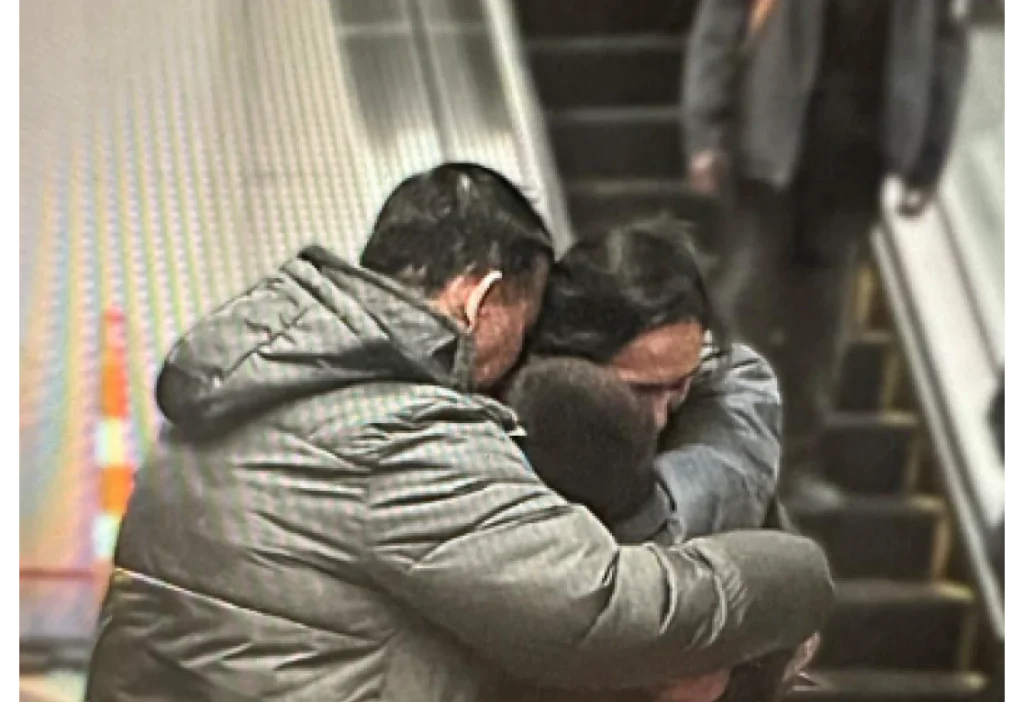
During the months of February and March 2023 I continued to receive from ICDI different types of benefits like the following below:
Thanks to ICDI financial aid ($300 per month) I was able to buy most of the food I need to keep healthy despite the fact that many products have even doubled their prices because of inflation. Nonetheless, this aid was highly appreciated as it allowed me to keep nourished as I continue the process to get socially integrated in my new host community in Chicago and prepare my asylum file with my lawyer. I have been able to volunteer also at Pastor Gary Cox’s Office to prepare the Church services’ programs and CTA Ventra Card monthly recharge: The 75-USD-plan allowed me to use
the CTA trains and buses of both the Blue and Orange Lines in order to attend my in-person appointments with my lawyer in Chicago’s downtown as well as to share in my volunteering program with REACH (Refugee Education And Adventures Challenges) NGO in the round trip from and back home.
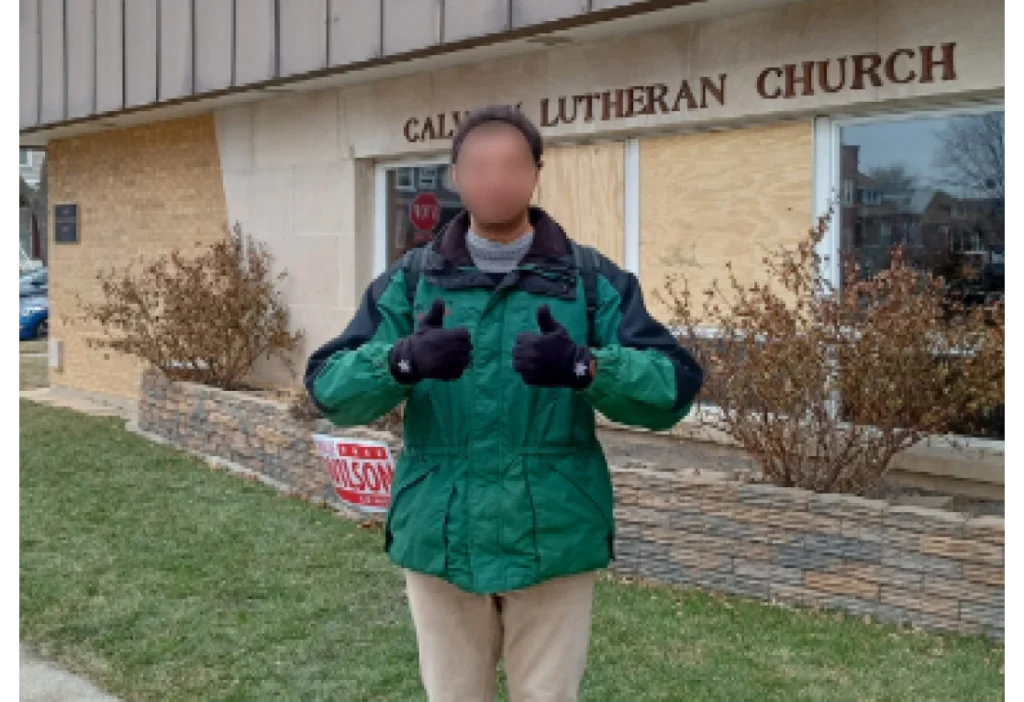
During the months of February and March 2023, I continued to receive from ICDI different types of benefits like the following below:
Thanks to ICDI financial aid ($300 per month) I was able to buy most of the food I need to keep healthy despite the fact that many products have even doubled their prices because of inflation. Nonetheless, this aid was highly appreciated as it allowed me to keep nourished as I continue the process to get socially integrated in my new host community in Chicago and prepare my asylum file with my lawyer. I have been able to volunteer also at Pastor Gary Cox’s Office to prepare the Church services programs and related documents.
This financial aid continues to be critical for my survival as I fail in being hired in local businesses as I still don’t have an employment authorization document. It might be relevant to report that in April I am planning to submit my asylum application in order to be able to apply for my employment authorization document 5 months after the asylum application has been submitted, which would take roughly a couple months to be issued thereafter.
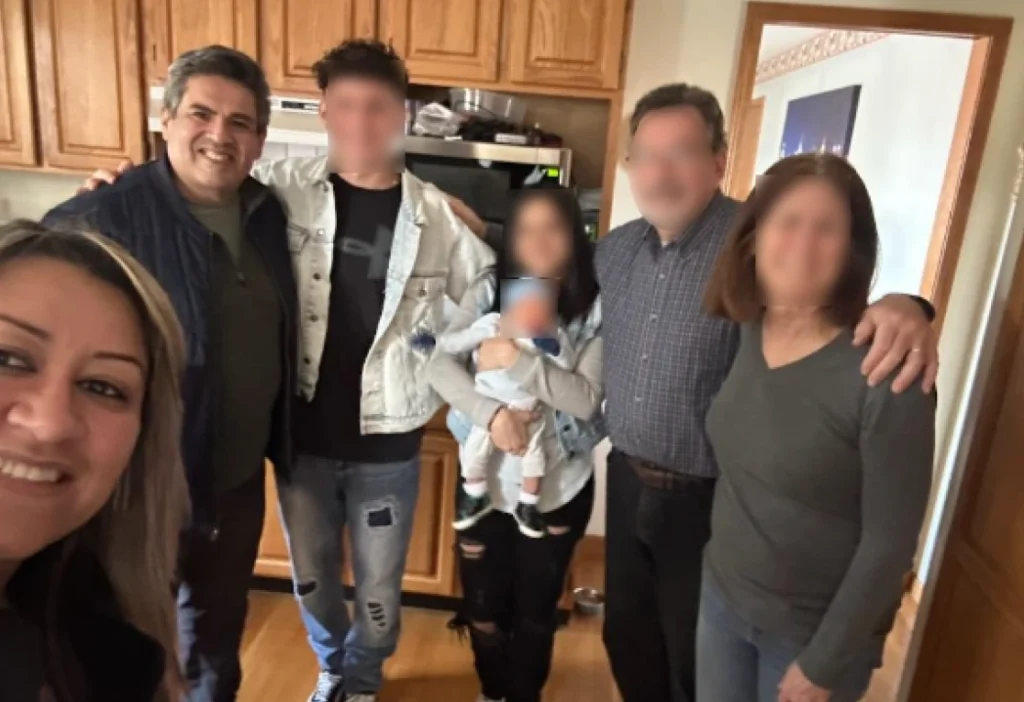
H is from Costa Rica, Y is from Venezuela. They arrived in Chicago in the autumn of 2022 with the first wave of busses of asylum seekers from Texas. Y was 4 months pregnant. Initially, they stayed in one of the hotels offered by the State of Illinois. After a brief stay, they decided to leave the hotel and move into the shelter system thinking they could find work and get established. The couple moved from shelter to shelter because most homeless shelters only take men or women but not both. For some time, they lived separately. Early in February, Y went to an emergency room to give birth to their son. The family could be together in the hospital room for just four days and were released to the city’s shelter system.
ICDI received a call from a partner agency that a semi-retired couple had heard about their situation and were interested in taking them in. ICDI immediately contacted the family and interviewed them virtually. After visiting the home, ICDI expedited the placement process and arranged to move the young couple in with their host family who live fifty-three miles north of the city of Chicago. They young family has a separate apartment in the house, giving them privacy with protection. They are receiving wrap-around care and case management from ICDI. In the picture below, ICDI staff are on the left, the young family is in the middle, and the couple providing the home are on the right. Little David is 28 days old in this picture.